
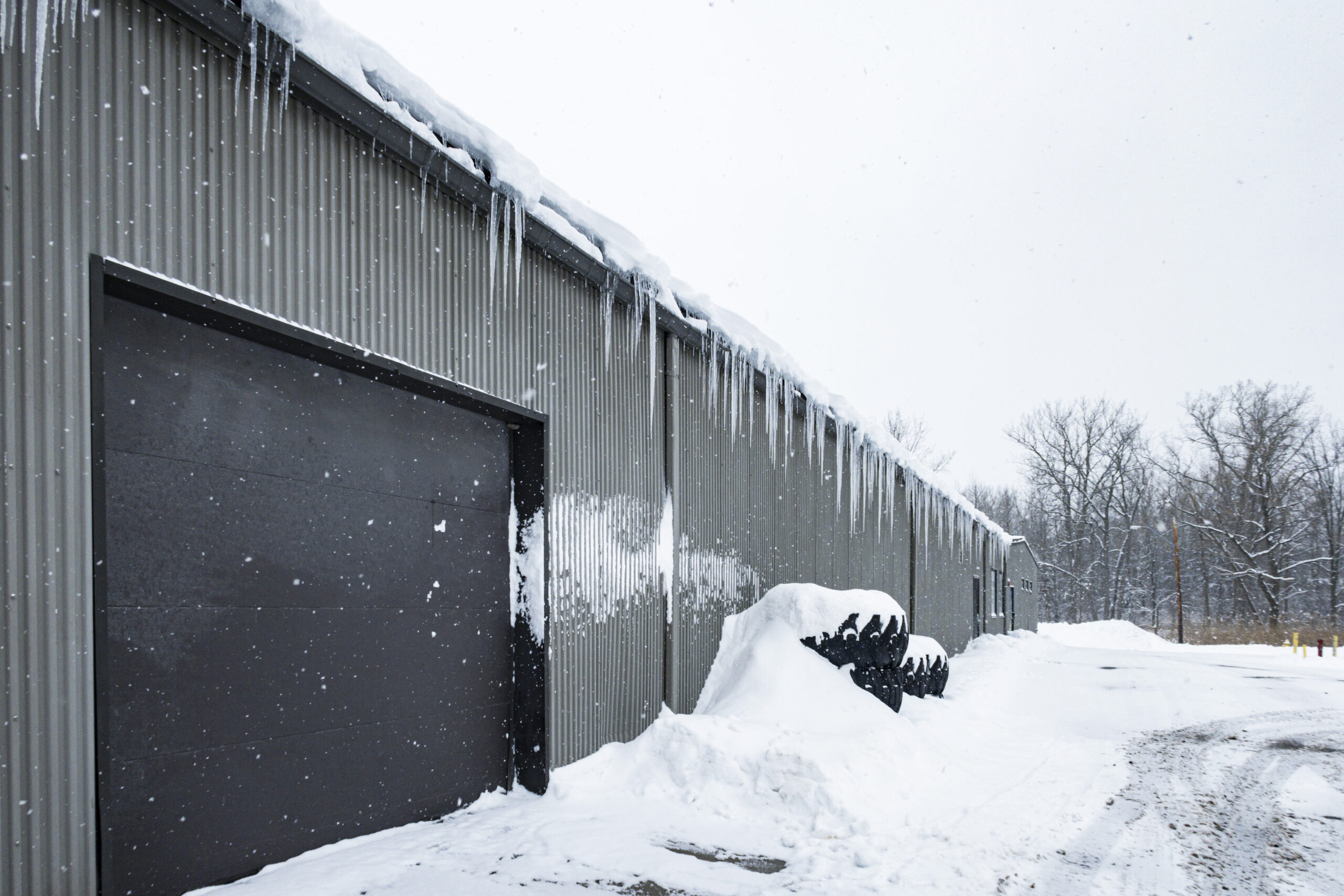
Heavy snowfall, freezing rain and prolonged ice accumulation can place dangerous stress on roofing systems. When roofs are not designed to handle these conditions, the result can be leaks, structural damage and costly repairs.
MBCI’s metal roofing systems are designed to perform in harsh winter environments. They help buildings withstand heavy snow loads, ice buildup and freeze-thaw cycles.
This article explains how metal roofing protects against winter storm damage and why it is a reliable solution for snow- and ice-prone regions.
Why Heavy Snow and Ice Are a Serious Roofing Risk
Unlike light snowfall that melts quickly, severe winter storms can leave thick layers of snow and ice on rooftops for days or even weeks. Ice storms, freezing rain and repeated snowfalls compound the problem by creating dense, heavy buildup.
Just a few inches of packed snow or solid ice can add thousands of pounds of weight to a roof. When accumulation exceeds design limits, it can lead to:
- Structural stress and deflection
- Roof deck damage
- Cracking in traditional materials
- Interior leaks
- In extreme cases, partial roof failure
For property owners, these risks highlight the importance of choosing a roofing system designed to handle severe winter loads.
Engineered Strength to Withstand Snow Loads
One of the most important advantages of metal roofing is its structural strength.
MBCI’s panels are manufactured from high-quality steel and engineered to meet rigorous performance standards. When installed as part of a properly designed roof system, metal panels help distribute snow and ice loads more evenly across the structure.
Compared to traditional roofing materials that may sag, crack or weaken under pressure, metal roofing maintains its integrity under heavy winter conditions. This added resilience helps protect both the roof system and the building below.
Smooth Surfaces That Help Reduce Snow and Ice Retention
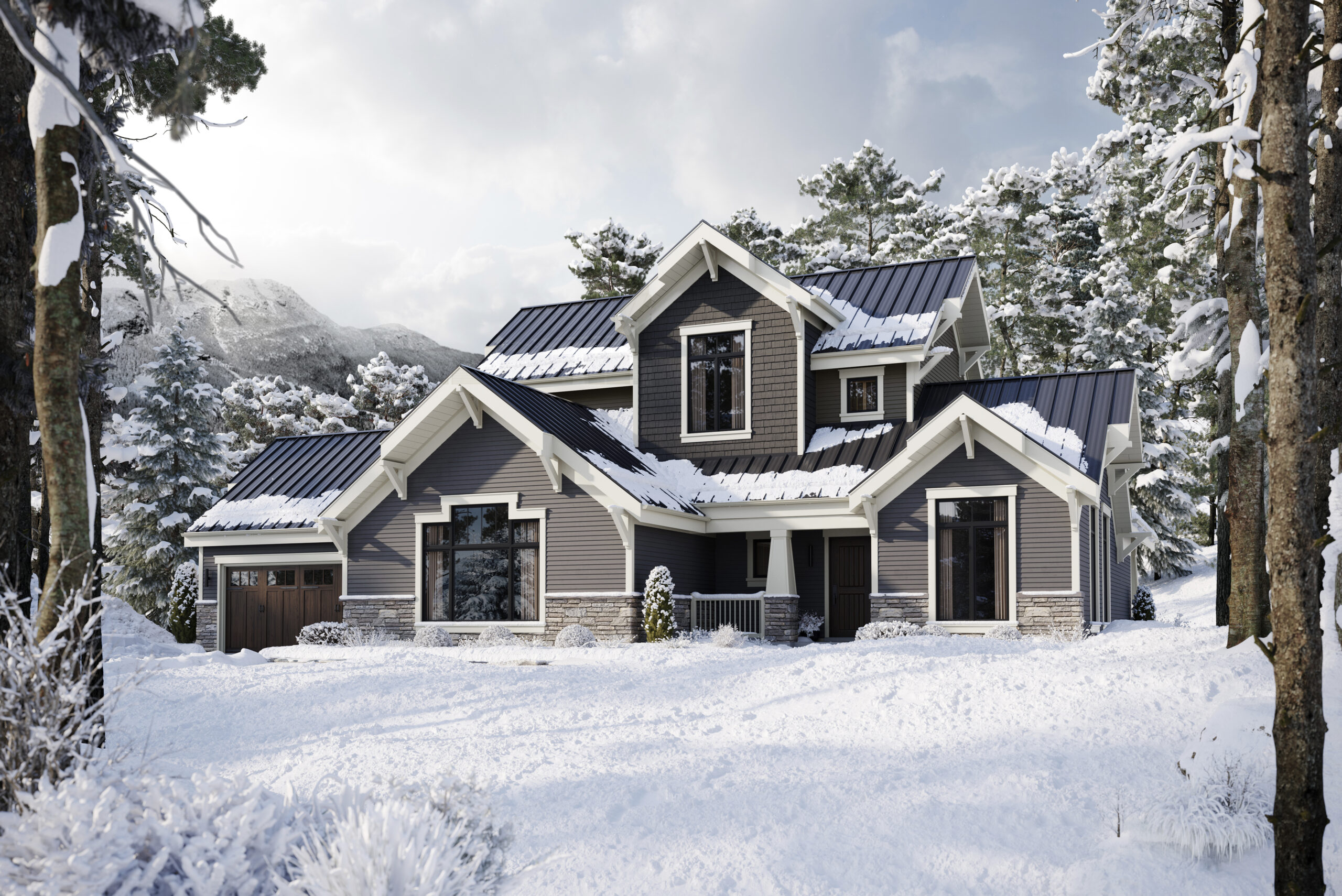
Metal roofing naturally limits buildup thanks to its smooth, coated surface. Unlike rough or granular materials that trap snow and ice, metal panels allow accumulation to slide off more easily.
This design helps:
- Reduce prolonged snow retention
- Limit excess structural weight
- Minimize ice dam formation
- Improve drainage during thaw periods
By shedding snow more efficiently, metal roofing helps reduce the risk of dangerous overload during extended winter storms.
Protection Against Ice Dams and Water Infiltration
Ice dams form when heat escaping from a building melts snow on the roof, which then refreezes near the eaves. Over time, this creates a barrier that traps water behind it. That trapped water can work its way under shingles and into the building.
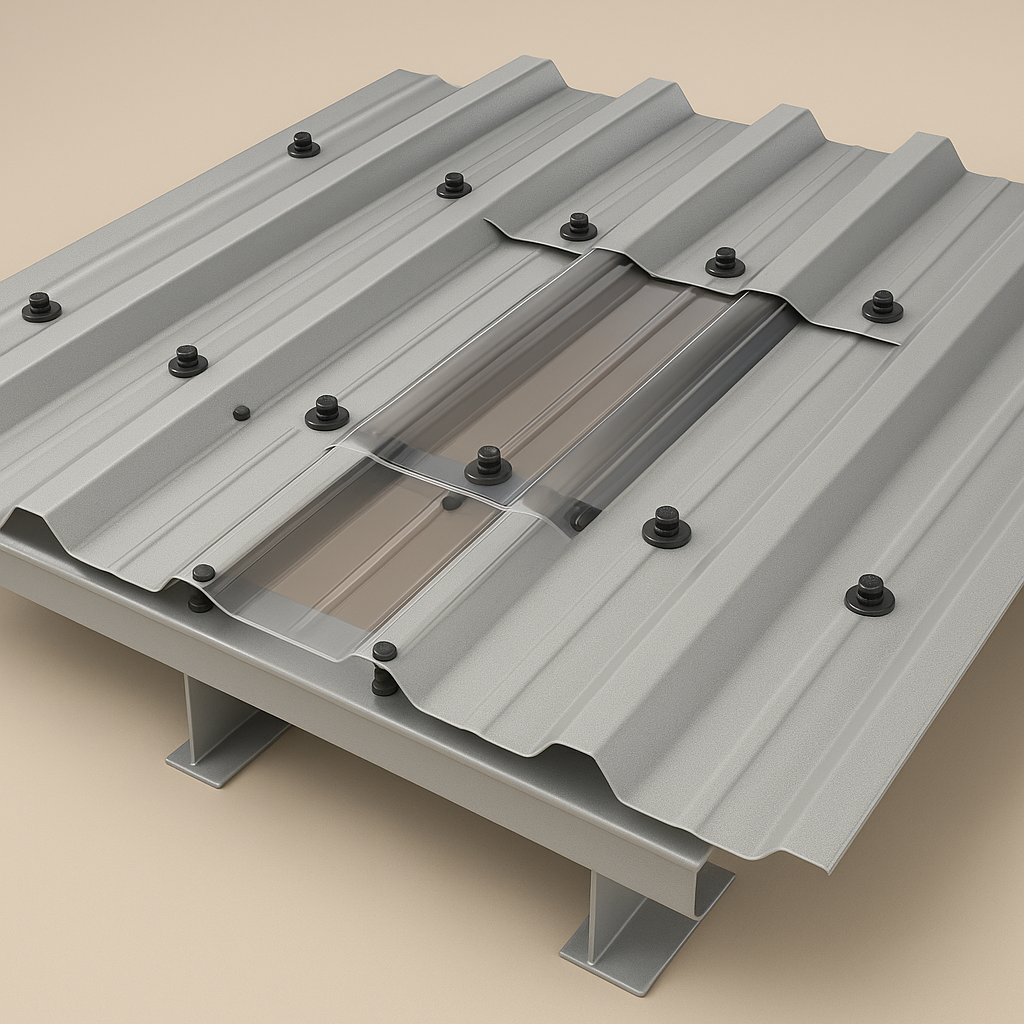
MBCI’s metal roofing systems are designed with interlocking panels, secure fastening methods and high-performance underlayments that help create a tight, weather-resistant barrier.
This integrated system helps:
- Prevent water intrusion during freeze-thaw cycles
- Reduce moisture penetration beneath the roof surface
- Protect insulation and interior finishes
- Limit mold and mildew growth
As a result, buildings can stay drier and better protected throughout winter.
Stability During Freeze-Thaw Cycles
Winter weather rarely remains consistent. Snow melts during warmer days, then refreezes overnight. This constant expansion and contraction can quickly damage conventional roofing materials.
Traditional materials often become brittle in cold temperatures and deteriorate under repeated freeze-thaw stress. Cracking, curling and loosening are common signs of winter wear.
Metal roofing typically remains stable in fluctuating temperatures. Because metal does not absorb moisture, it resists swelling, splitting and warping. This stability helps extend roof life and maintain performance through multiple winter seasons.
Reduced Risk of Emergency Repairs
Extreme winter storms often lead to emergency service calls, temporary patches and unplanned expenses. Roof failures caused by snow overload or ice infiltration can disrupt business operations and create safety concerns.
Metal roofing’s durability helps minimize these issues by reducing the likelihood of sudden failures. In many cases, metal roofs continue performing even after severe storms, allowing property owners to avoid immediate replacement or major repairs.
Key benefits include:
- Potentially fewer winter-related service calls
- Relatively low long-term maintenance costs
- Reduced insurance claims
- Less downtime for businesses
Added Fire and Safety Benefits
Winter storms often increase fire risks due to power outages, heating equipment and emergency systems.
MBCI’s metal roofing systems carry Class A fire ratings, the highest available for roofing materials. Their non-combustible construction adds another layer of protection during high-risk winter conditions.
Long-Term Value in Unpredictable Winter Climates
Metal roofing provides year-round protection, but its performance during extreme winter weather makes it especially valuable for long-term building resilience. In addition to snow and ice resistance, metal roofing also delivers benefits such as:
- Long service life (up to 50 years or more)
- Energy efficiency
- Sustainability
- High wind resistance
- Low lifecycle costs
For property owners facing uncertain winter conditions, metal roofing represents a proactive investment in durability and peace of mind.
Prepare Your Building for the Next Winter Event
No roofing system can eliminate every weather-related risk, but choosing a strong, engineered solution can improve your building’s ability to handle extreme snow and ice.
Whether you are planning new construction or upgrading an existing roof, MBCI’s metal roofing systems are designed to perform when winter weather is at its worst.
Frequently Asked Questions (FAQ)
How does metal roofing handle heavy snow loads?
Metal roofing distributes weight evenly and maintains structural integrity under high loads when properly designed and installed.
Does metal roofing prevent ice dams?
Metal roofs reduce ice dam risk by shedding snow more efficiently and using tight, interlocking systems that limit water intrusion.
Is metal roofing better than shingles in winter?
Yes. Metal roofing resists moisture absorption, cracking, and freeze-thaw damage better than most traditional materials.
Does snow sliding off metal roofs create hazards?
Snow guards and retention systems can be installed to control snow release and improve safety.
How long does metal roofing last in cold climates?
With proper installation and maintenance, metal roofing can last 40 to 70 years or more.
Conclusion
Extreme snow and ice accumulation places significant stress on roofing systems. Buildings without proper protection are vulnerable to leaks, structural damage and costly downtime.
MBCI’s metal roofing provides strength, stability and weather resistance designed for unpredictable winters. Through high load capacity, efficient shedding, moisture control and long-term durability, metal roofing helps protect buildings when winter conditions are at their worst.
Contact an MBCI representative today to learn how the right metal roofing solution can help protect your building against heavy snow and ice accumulation for decades to come.