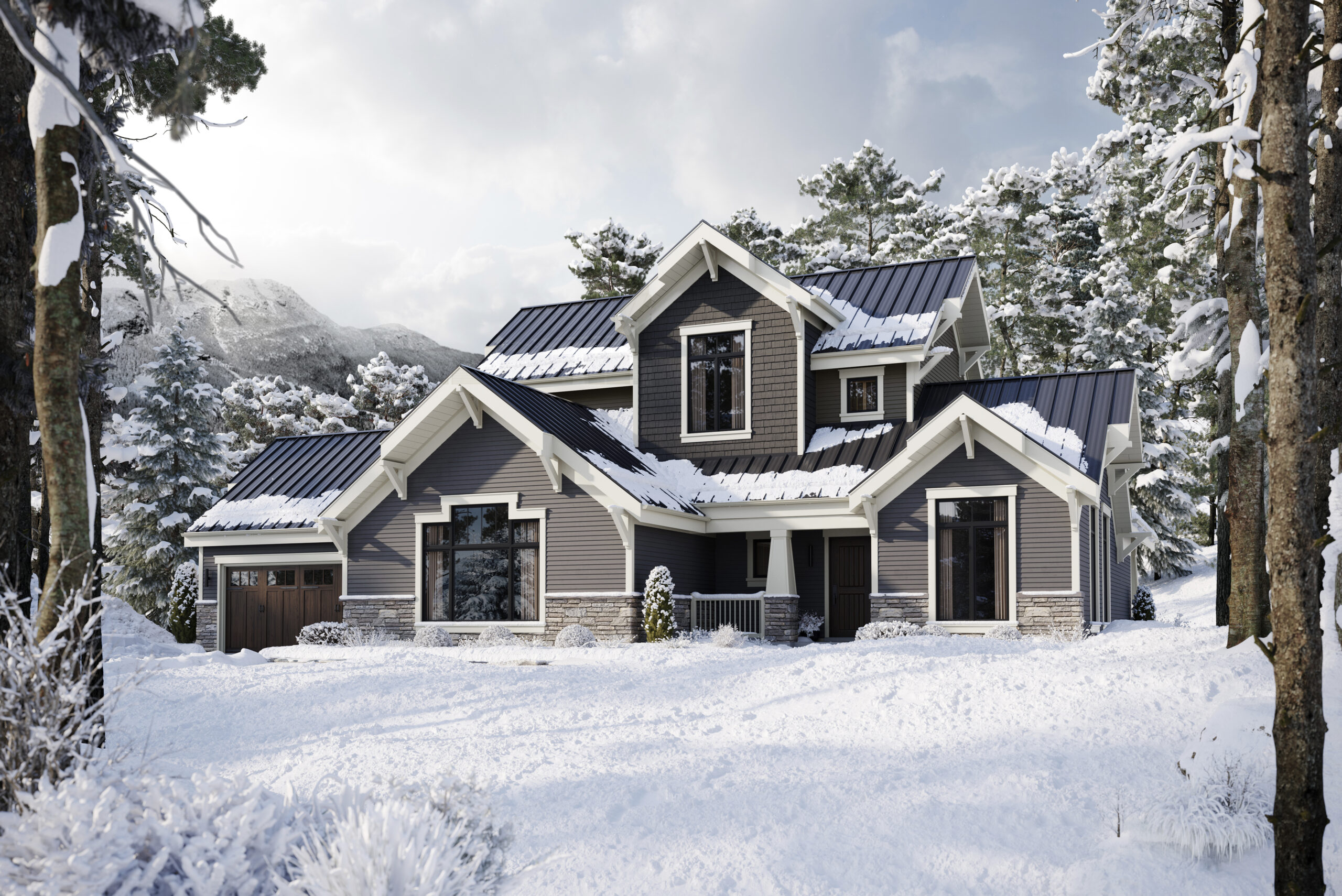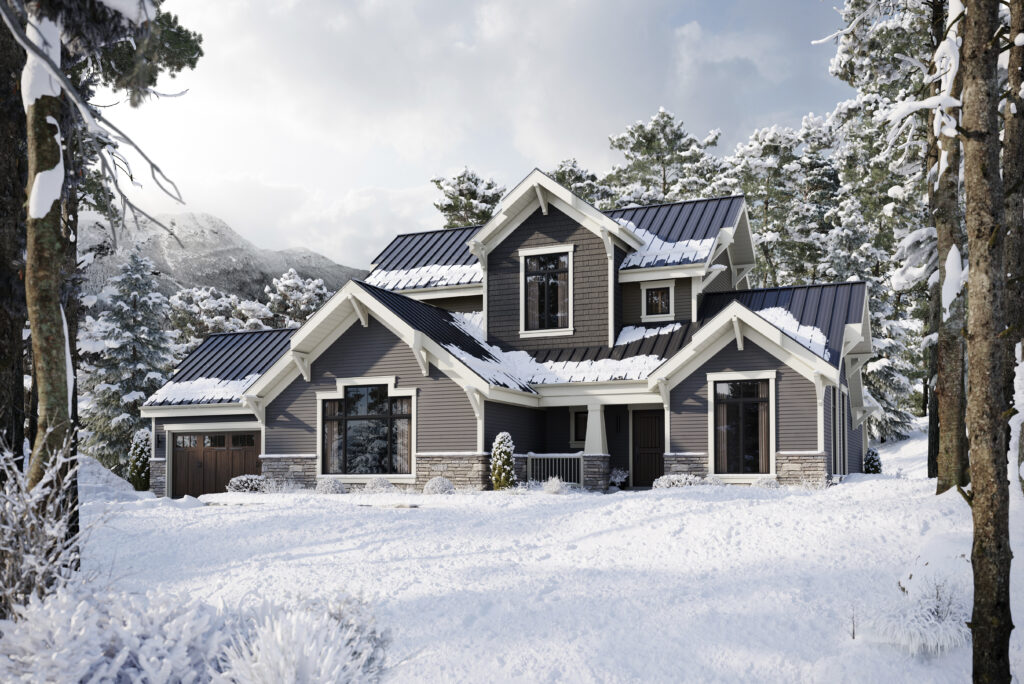
Built for What Spring Throws at It: High Wind and Hail Protection With Metal Panels


Spring rolls in with a lot of promise: longer days, more jobs on the schedule, crews back in the field. It also rolls in with severe weather. Across much of the country, spring means hail. It means high winds. It means the kind of storms that show up fast and hit hard. If the panels you installed last season are going to hold up, now is a good time to think through why some systems perform better than others when conditions turn. 

This is not a panic checklist. It is a straightforward look at what separates metal panel systems that weather spring storms reliably from those that do not, and what to keep in mind as you spec, install and inspect work heading into the season. 


Wind Uplift: Where Panel Systems Either Hold or Do Not 

High wind events put uplift pressure on a roof system and may include drenching rain. The weakest points for uplift tend to be at the perimeter and corners, where forces are often greater. Fastener pattern, panel gauge and clip design all factor into how a system responds under that load. 

Standing seam systems offer a meaningful advantage in high-wind conditions because the panel attachment is fully concealed and the raised seam is interlocked. There are no exposed fastener penetrations for wind-driven water or uplift forces to exploit along the sidelaps. MBCI’s standing seam options (BattenLok® HSDouble-Lok™LokSeam® and SuperLok®) use a clip-based attachment that lets panels move with thermal expansion while maintaining a continuous, weather resilient seam. On projects in high-wind-speed zones, that combination of structural flexibility and seam integrity matters. 

For exposed fastener applications, gauge selection and fastener engagement are critical. Thinner panels at wider spans can flex under sustained wind pressure in ways that eventually fatigue the fastener sealt. Matching panel gauge to the structural conditions of the job, rather than defaulting to the lightest option to hit a price point, makes a measurable difference in long-term performance. 


Hail Impact: What the Testing Tells You 

Hail damage on metal panels is one of those topics that gets oversimplified. A dent does not automatically mean a failed system. What matters is whether the impact has compromised the coating, the substrate or the weathertight integrity of the panel. Those are different failure modes with different consequences. 

Metal panel gauge is the first line of defense. Heavier gauges resist deformation from impact better, and deformation that cracks or scuffs the coating surface is where long-term corrosion risk begins. On commercial and industrial roofs in hail-prone regions, 24-gauge panels tend to perform more reliably over time than lighter options. MBCI offers 24-gauge options across multiple panel profiles and maintains expanded inventory on standing seam panels in that gauge specifically for projects where fast turnaround and weather performance both matter. 

Coating systems also play a role. MBCI’s Signature 300 coating provides significantly improved chalk and fade resistance compared to standard polyester coatings, but the durability story does not stop at aesthetics. A coating that holds up to UV degradation is also one that maintains better surface integrity when impact occurs. MBCI panels are available in Galvalume® Plus, Signature® 200, Signature® 300 and Signature® 300 Metallic, and matching the coating to the climate exposure of the project is worth the conversation with your MBCI rep. 


Installation Details That Show Up in Storm Season 

The best-specified panel on a job can still underperform if the installation cuts corners that only reveal themselves under weather stress. A few areas tend to separate clean installs from problem installs when spring storms hit: 

  • Seam engagement on mechanically seamed panels: Incomplete seaming is one of the more common field issues on standing seam systems. A panel that looks seated may not be fully engaged. Verify seam engagement consistently across the field, not just at the eave. 
  • Clip placement and fastener torque: Over-torqued fasteners on SSR clips can restrict thermal movement and create stress points at the clip seat. Over-torqued fasteners on exposed-fastener panels can cause premature breakdown of screw head sealing washers. Under-torqued fasteners are a loose connection waiting to be found by wind and rain. Follow the installation spec.. 
  • Perimeter and transition details: Eave trim, ridge caps and penetration flashings take the most abuse during high-wind events. Trim that is not properly fastened or sealed is typically where water infiltration begins after a storm. This is not the place to rush the closeout. 

Pre-Season Inspection: A Short List Worth Running 

On completed projects heading into another spring, a quick inspection before the severe weather window can catch things that are easier and cheaper to address now than after a storm. Focus on: 

  • Any perimeter trim or flashing showing signs of loosening or sealant failure 
  • Exposed fastener panels where washers may have degraded or fasteners may have backed out 
  • Standing seam panels for any evidence of seam separation or clip failure near roof penetrations and panel laps 
  • Gutters and downspouts for any debris buildup that could cause water to back up under eave conditions 
  • Any coating damage or bare metal exposure that could accelerate corrosion heading into a wet season 

The Product Is Only Part of the Story 

Metal panel systems are among the most durable roofing and wall options available, and they hold up well against wind and hail when they are properly specified and correctly installed. But durable is not the same as bulletproof. Gauge selection, coating choice, fastening method and installation quality all determine how a system performs when spring gets serious. 

If you are planning projects in wind or hail-prone markets this season, your MBCI rep can help you work through panel selection, gauge options and product availability for your specific conditions. The goal is to put a system on the job that you will not have to think about come storm season. 


Ready to spec your next project?  Contact your MBCI rep, shop online, or request a quote at mbci.com. 

Retrofit Roofing: Smart Upgrades for Aging Buildings

As commercial and industrial buildings age, one system often shows wear first: the roof. Outdated roofing materials can lead to damaging leaks that energy inefficiencies that affect a building’s performance and long-term value. But replacing an entire roof can be expensive, disruptive and labor intensive. 

That’s why more building owners are choosing retrofit roofing systems, a cost-effective solution that installs a new metal roof over an existing roof system. Retrofit roofing provides improved energy efficiency, enhanced durability and long-term performance without the downtime of a full tearoff. 

In this guide, we’ll explore what retrofit roofing is, how it benefits aging buildings and why metal retrofit systems from MBCI are among the strongest solutions available today. 


What Is a Retrofit Roofing System? 

A retrofit roof system upgrades an existing commercial roof, typically a flat or low-slope roof. Instead of removing the old roof, a retrofit system installs over the existing roofing materials and structural supports to give the building new life with durable, long-lasting metal panels.  

A structural engineer or experienced installer should evaluate the existing roof to determine which MBCI retrofit roofing system works best with the building’s conditions. This includes evaluating the substructure and installing additional reinforcements to carry the load of the new roof system prior to installation. 


Top Benefits of Retrofit Roofing

  1. Reduce Costs Without Roof Removal: Retrofit roofing can help eliminate tearoff costs, disposal fees and labor-intensive demolition. It allows facility owners to reinvest those savings into performance upgrades instead of removal. 
  1. Improve Energy Efficiency: Retrofits can create room for added insulation and incorporate cool metal roofing technologies designed to help reflect sunlight and reduce heat absorption. This can help lower utility bills and facilities meeting modern energy codes. 
  1. Increase Structural Strength: Engineered retrofit roofing can improve load capacity to meet current wind, snow or seismic requirements. This is especially beneficial for aging industrial and commercial facilities. An experienced structural engineer or installer should inspect the existing building to confirm it will properly support the additional load of the new roof system.  
  1. Extend Roof Life: Metal retrofit roofs often last 40–60+ years with proper installation and maintenance, offering excellent life-cycle value and reduced long-term maintenance. 
  1. Minimal Disruption to Daily Operations: Because the original roof stays in place, operations can continue uninterrupted, ideal for manufacturing plants, warehouses, schools and retail environments. 


Where Retrofit Roofing Makes the Biggest Impact 

Retrofit systems are an ideal upgrade for: 

  • Distribution centers 
  • Manufacturing facilities 
  • Schools, churches & municipal buildings 
  • Retail centers 
  • Self-storage buildings 
  • Commercial offices 
  • Aging industrial facilities 


Why Choose MBCI for Retrofit Roofing? 

MBCI provides engineered metal retrofit roofing systems designed to maximize durability, performance and ease of installation. Key components include: 

  • Engineered sub-framing systems 
  • High-performance metal roofing panels 
  • Cool roof coatings 
  • Insulation upgrades 
  • Precision-engineered flashing and trim details 

Each solution helps deliver long-term weather resilience, structural confidence and meaningful energy savings. 


Retrofit Roofing: A Smart Investment for Aging Buildings 

Retrofit roofing provides proven value for commercial building owners who want to extend roof life, enhance performance and reduce energy consumption without the cost and disruption of a full tearoff. With the durability and performance of an engineered metal roofing system from MBCI, upgrading an aging facility becomes a long-term investment with proven returns. 


Ready to Upgrade an Aging Roof? Start Your Retrofit Project with MBCI. 

MBCI’s experts can help evaluate your existing roof, recommend the right retrofit system and provide engineered, code-compliant solutions tailored to your building’s needs. 

Contact MBCI today to get started. 

The Future of Metal Roofing: Trends to Watch in 2026

Metal roofing has always been a trusted choice for durability, energy efficiency and aesthetic appeal. But as the construction industry evolves, so do the expectations for roofing systems. In 2026, metal roofing is no longer just about strength. It’s about sustainability, smart technology and design innovation. Whether you’re an architect, contractor or building owner, understanding these trends will help you stay ahead of the curve. 


1. Sustainability Takes Center Stage 

Environmental responsibility is now a driving force in construction decisions. Metal roofing already offers significant sustainability benefits, including recyclability and long lifespans, but the industry is pushing even further. Here’s what to expect: 

  • High Recycled Content: Metal panels can be manufactured with a high percentage of recycled content, helping reduce the overall carbon footprint of production. 
  • Cool Roof Coatings: Reflective coatings help reduce heat absorption and lower energy costs for cooling. 
  • Solar Integration: Roofing systems designed to accommodate solar panels seamlessly are gaining traction, making renewable energy adoption easier for building owners. 

These advancements not only help building designs meet regulatory requirements but also appeal to eco-conscious clients who prioritize green building certifications like LEED. 


2. Bold Aesthetic Options

Metal roofing is no longer limited to utilitarian designs. Today’s options allow architects and designers to make bold statements: 

  • Expanded Color Palettes: Matte finishes, textured coatings and vibrant colors are becoming popular for modern aesthetics. 
  • Design-Forward Profiles: Panels featuring visually distinctive details such as pencil ribs, deep corrugations, and asymmetrical rib patterns enable creative architectural designs. 
  • Mixed-Material Looks: Combining metal panels with natural wood or stone accents creates visually striking exteriors that blend durability with natural beauty. 

These design innovations make metal roofing an attractive choice for both commercial and residential projects where curb appeal matters. 


3. Extreme Weather Performance

Climate change is driving more severe weather events, and roofing systems must adapt. Metal roofing is already known for its resilience, but manufacturers are enhancing performance even further: 

  • Wind Uplift Resistance: Durable fastening systems and panel designs improve resistance to hurricane-force winds. 
  • Impact-Resistance:  High-quality steel provides protection against many types of common impact damage, helping minimize insurance claims and reduce repair costs. 
  • Fire-Resistant Systems: In wildfire-prone areas, metal roofing offers superior fire protection compared to traditional materials with organic components. 

These improvements make metal roofing a smart choice for regions facing unpredictable weather patterns. 


4. Energy Efficiency and Insulation

Energy efficiency remains a top priority for building owners. Metal roofing contributes to lower energy costs through: 

  • Reflective Surfaces: Cool roof coatings help reduce heat absorption to keep buildings cooler in summer. 
  • Insulated Panels: Combining roofing with insulation systems helps improve thermal performance and reduce HVAC loads. 
  • Ventilation Enhancements: Integrated ventilation solutions help maintain indoor air quality and temperature control. 

As energy codes become stricter, these features will be essential for compliance and cost savings. 


5. Modular and Prefabricated Solutions

Speed and efficiency are critical in today’s construction environment. Prefabricated metal roofing systems are gaining popularity because they: 

  • Reduce Installation Time: Pre-engineered panel and trim designs help simplify installation and minimize labor costs. 
  • Ensure Quality Control: Factory-controlled manufacturing help ensure consistency to reduce on-site installation issues. 
  • Support Design Flexibility: Modular systems can be customized for various building types and architectural styles. 

This trend aligns with the growing demand for faster project delivery without compromising quality. 


Conclusion 

The future of metal roofing is bright and innovative. From sustainability and smart technology to bold aesthetics and extreme weather performance, these trends are shaping the next generation of roofing solutions. By embracing these advancements, you can deliver projects that are not only functional and durable but also environmentally responsible and visually stunning. 

Ready to explore the latest metal roofing solutions? Contact MBCI today to learn how we can help you stay ahead of the curve. 


Winter Construction Tips: How Metal Panels Perform in Cold Weather

Winter construction presents unique challenges for contractors and architects. Freezing temperatures, snow accumulation and unpredictable weather conditions often lead to delays, material damage and increased costs. However, metal panels for cold weather construction stand out as a reliable solution. Their durability, energy efficiency and adaptability make them an excellent choice for winter builds. In this article, we’ll dive into why metal panels excel in cold climates, explore best practices for installation and share tips to maximize performance during winter construction. 

Why Metal Panels Are Ideal for Winter Projects 

Metal panels are engineered to withstand extreme conditions, making them a preferred material for year-round construction. Here’s why: 

  • Temperature Resilience: Unlike wood or vinyl, metal panels do not warp, crack or become brittle in freezing temperatures. This stability ensures structural integrity throughout the winter months. 
  • Moisture Resistance: Snow and ice can wreak havoc on traditional materials, leading to rot or mold. Metal panels, especially those with protective coatings, resist corrosion and moisture penetration. 
  • Longevity: Metal panels offer decades of performance with minimal maintenance, even in regions with harsh winters. 

Cold Weather Performance: What Contractors Should Know 

When temperatures drop, certain construction materials become difficult to handle. Adhesives may fail, and thermal expansion can cause issues. Metal panels, however, maintain their shape and strength. Here are key considerations: 

  • Thermal Movement: While metal expands and contracts with temperature changes, modern panel systems are designed to accommodate this movement without compromising the building envelope. 
  • Snow Load Capacity: Roof panels must be selected based on local snow load requirements. Heavier gauge panels and proper structural support are essential for safety. 
  • Finish Options: High-performance coatings protect panels from salt, ice and moisture, reducing the risk of corrosion. 

Installation Best Practices in Winter 

Installing metal panels in cold weather requires planning and precision. Follow these tips to ensure success: 

  1. Store Panels Properly: Keep panels in a dry, covered area to prevent condensation and ice buildup before installation. 
  2. Use Cold-Weather Sealants: Select sealants and fasteners rated for low temperatures to maintain airtight and watertight seals. 
  3. Plan for Safety: Snow and ice create slippery conditions. Ensure crews have proper safety gear and clear work surfaces. 
  4. Schedule Wisely: Take advantage of midday hours when temperatures are slightly higher to improve installation efficiency. 

Energy Efficiency Advantages 

Winter isn’t just about surviving the cold. It’s about keeping interiors warm without skyrocketing energy bills. Insulated metal panels (IMPs) offer: 

  • Superior Thermal Performance: IMPs provide continuous insulation, reducing heat loss and improving energy efficiency. 
  • Lower Operational Costs: Building owners benefit from reduced heating expenses, making metal panels a cost-effective choice in the long run. 
  • Sustainability: Many metal panels are recyclable, aligning with green building initiatives. 


Common Challenges and How to Overcome Them 

Even with the benefits of metal panels, winter construction poses challenges. Here’s how to address them: 

  • Delayed Deliveries: Plan ahead and secure materials early to avoid supply chain disruptions. 
  • Limited Daylight: Shorter days mean less time for installation. Use efficient crews and consider temporary lighting solutions. 
  • Temperature-Sensitive Accessories: Verify that all accessories, including sealants, fasteners and insulation, are suitable for cold weather. 


Conclusion 

Winter construction doesn’t have to mean compromised quality or delayed timelines. By choosing metal panels and following best practices, contractors and architects can deliver durable, energy-efficient buildings even in the harshest conditions. 

Ready to start your winter project? Explore MBCI’s metal panels for cold weather construction designed for superior performance in harsh climates. Contact us today to speak with an expert or request a quote. 

Illuminate Your Space with Light Transmitting Panels (LTP)

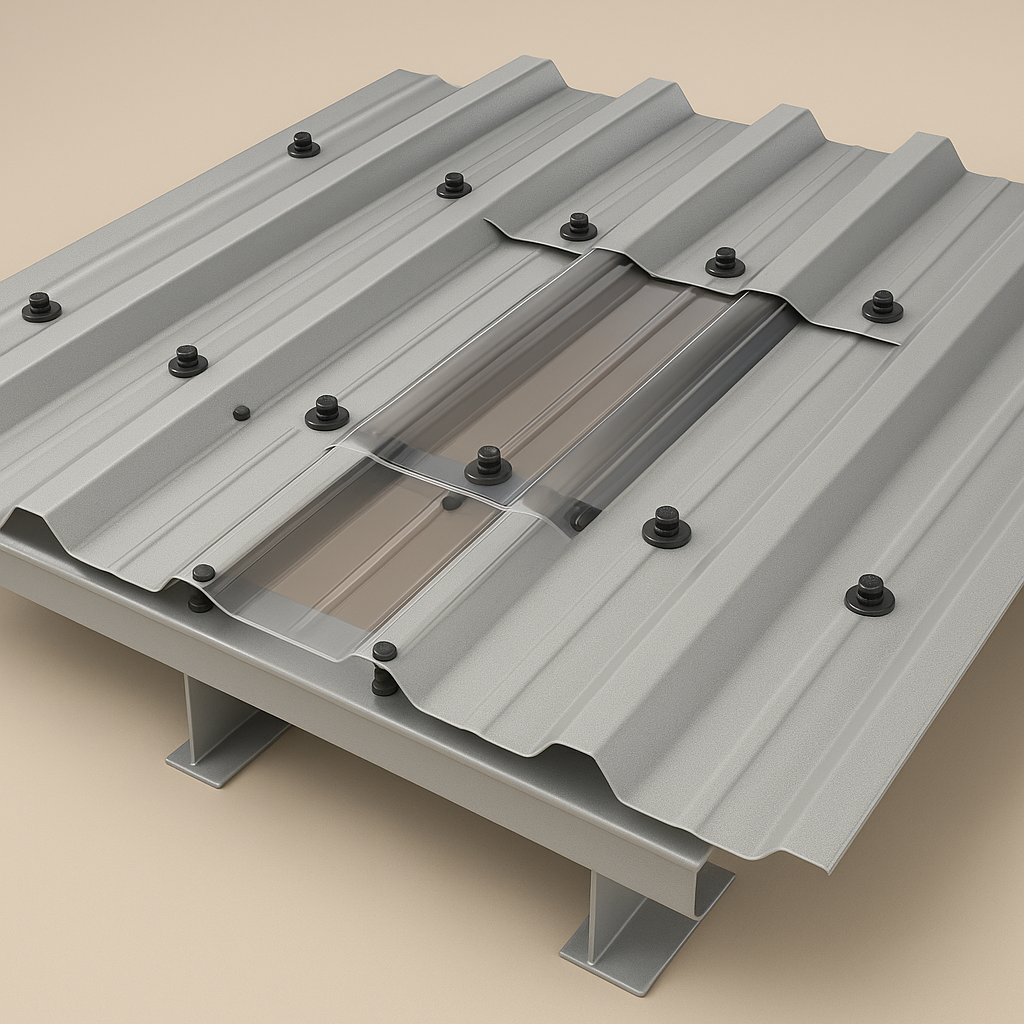
Brighten up your building like never before with our vitric Light Transmitting Panels. This versatile solution offers a perfect blend of natural light and durability, transforming your space aesthetically while maintaining a sound building envelope. MBCI’s Light Transmitting Panels come in a kit with multiple components, allowing you to customize your project and craft a unique environment that meets your exact needs.

Key Benefits of LTPs: 

  • Potential energy savings from replacing artificial overhead lights with natural sunlight in the building. 
  • UL90-rated options available for standing seam roofing applications. 
  • Compatible profiles to fit many types of metal roofing panels. 

Whether you’re looking for a reliable, high-quality panel or a UL90-rated solution, our Light Transmitting Panels are expertly designed to meet your unique requirements. Similar to a skylight, select MBCI Light Transmitting Panels for standing seam roofs are available in both insulated and uninsulated panels, offering the perfect solution for a variety of applications.  

Request a quote today and discover how our Light Transmitting Panels can transform your space! 


Commonly Asked Questions Regarding Light-Transmitting Panels

Is the Light Transmitting Panel a skylight? 

  • MBCI’s Light Transmitting Panel is not constructed like a typical residential skylight, but it is made of translucent fiberglass or polycarbonate material instead of a typical laminated or tempered glass. LTPs can lap within a metal roof and wall system and maintain watertightness with proper design, installation and maintenance. 

What components are included in the Field-Installed Kit? 

Our Double-Lok Light Transmitting Panel includes the following components in its kit: 

  • (1) HW-1470 LTP Panel Uninsulated OR (1) HW-1471 LTP Panel Insulated 
  • (2) HW-1210 Double-Lok Repair Caps in Mill Finish Aluminum 
  • (1) HW-1474 Fastener Bag Unpainted 
  • (2) HW-7760 Back-Up Plates 
  • (2) Tubes of HW-540 Urethane Sealant in White 
  • (2) Rolls of Tr-Bead Tape Sealer 

For additional information on the types of Light Transmitting Panels MBCI has available and the components that are included in each kit, visit our product page. 

 What will I be responsible for during the installation process? 

  • The installer is responsible for ensuring that the installation and use of all LTPs comply with state, Federal and OSHA regulations and laws. This includes, but is not limited to, guarding all light-transmitting panels with screens, fixed standard railing, or other acceptable safety controls that prevent fall-through. It is crucial to prioritize safety when implementing these panels in any building or structure. 

Ready to brighten up your building? Request a quote now and let our experts help you find the perfect LTP solution! 

Weathertightness Warranty Protection: A Comprehensive Commitment to Your Metal Construction Project

At MBCI, we understand that in the metal construction industry, a warranty is more than just a document – it’s a promise to support your project from start to finish. Our weathertightness warranty process is designed to ensure the success of your metal building systems through proactive planning, expert guidance, and ongoing support. Here’s how we deliver unmatched value to your metal roofing and wall panel projects. 


Pre-Project Precision 

Our commitment to your project begins long before the first metal panel is installed. During the pre-bid stage, we take a proactive approach to set your project up for success: 

  • Careful Review of Project Specifications: We analyze your project’s unique requirements to ensure every detail is accounted for. 
  • Thorough Geometry Reviews: We assess the design to identify potential challenges and provide solutions for metal roof systems. 
  • Tailored Warranty Guidance: We help you choose the warranty option that best fits your project’s needs, whether for standing seam metal roofs or insulated metal panels. 

Pre-Order Checklist 

Before your order is finalized, we take additional steps to ensure everything is in place: 

  • Final Drawing Reviews: We verify that all design details are accurate and complete. 
  • Order Accuracy: We double-check that all necessary materials are included, reducing the need for last-minute orders. 
  • Third-Party Supplies: We identify components from other suppliers so you can plan accordingly. 

Warranty Options Designed for Your Metal Construction Project 

We understand that every project is unique, which is why we offer multiple weathertightness warranty levels to meet your specific requirements. 

Standard Warranty Options 

  • Available in 5, 10, 15, and 20-year terms 
  • Coverage for select metal panel profiles 
  • Options with or without certified installer requirements 

Single Source Warranty 

For comprehensive protection, our Single Source Warranty includes: 

  • Three Critical On-Site Inspections: Ensuring quality at every stage of  
  • 5, 10, 15, and 20-year terms 
  • Coverage for select metal panels 
  • Reviews at project startup, mid-point, and completion 
  • Certified installer requirements for maximum quality assurance 

Dedicated Customer Support 

At MBCI, we’re more than just a warranty provider – we’re your project partner. Our team is here to guide you through every step of the process: 

  • Warranty Documentation Assistance: We simplify the paperwork so you can focus on your metal building project. 
  • Expert Navigation of Warranty Requirements: We help you easily meet specifications based on the warranty type, whether for standing seam metal roofs or insulated metal panels. 
  • Clear Communication: We keep you informed at every stage of the project. 

Technical Expertise Throughout Your Metal Construction Project 

Our warranty specialists are with you from start to finish, providing technical expertise to ensure your project’s success: 

  • Drawing Reviews and Approvals: We verify that your project plans meet warranty requirements. 
  • On-Site Inspections: Depending on your warranty coverage, we conduct multiple inspections to guide proper installation. 
  • Detailed Reports and Recommendations: We highlight any concerns and offer solutions to optimize the performance.

Why Our Warranty Stands Out 

What sets MBCI’s weathertightness warranty apart in the metal construction industry? 

  • Personalized Project Management: Tailored support for your unique needs. 
  • Proactive Quality Control: Inspections and reviews to catch issues early. 
  • Comprehensive Documentation: Clear and thorough records for your peace of mind. 
  • Transparent Communication: We keep you informed every step of the way. 

Post-Installation Support 

Our commitment doesn’t end when the project is complete. We provide: 

  • Detailed Inspection Reports: Clear documentation of installation quality. 
  • Warranty Maintenance Guidance: Tips to help you maintain warranty validity. 
  • Ongoing Support: Assistance throughout your warranty period. 

Certified Installer Training 

Architectural metal building designs demand precise installation to maintain their integrity and performance. That’s why many architects now require manufacturer-certified installers. 

MBCI, through the Cornerstone Building Brands Certification Program, offers comprehensive training to ensure installers are equipped with: 

  • Proper installation techniques for metal roofing systems and wall panels 
  • System-specific expertise for standing seam metal roofs and other metal panels 
  • The knowledge to maximize product performance and meet architectural specifications 

Partnering for Long-Term Success 

At MBCI, we’re not just providing a warranty – we’re partnering with you to ensure your project’s long-term success. From pre-project planning to post-installation support, our weathertightness warranty process is designed to deliver peace of mind and exceptional results for your metal construction projects. 

Ready to learn more? Contact our Project Solutions team today to discuss your specific needs and discover how our warranty protection can benefit your next project. 

Cornerstone Building Brands acquires Metal Sales Manufacturing Corp.

Cornerstone Building Brands, Inc. (“Cornerstone Building Brands”), a leading manufacturer of exterior building products in North America, has acquired Metal Sales Manufacturing Corporation (“Metal Sales”), a leading manufacturer of metal building systems and components serving high-growth and diverse end-markets through a vast, multi-channel network.

Headquartered in Sellersburg, Ind., and founded in 1963, Metal Sales has about 900 employees and a nationwide footprint that is highly complementary to Cornerstone Building Brands’ existing operations.

“The Metal Sales acquisition increases Cornerstone Buildings Brands’ participation in the high-growth residential building systems market,” said Matt Ackley, President, Shelter Solutions at Cornerstone Building Brands. “With a combined post-transaction footprint of more than 100 plants and distribution locations for our Shelter Solutions business, we’ll be better positioned to serve North American customers in the $30 billion metal building and components market. We’re excited to welcome the Metal Sales team to our company.”

Get Your Project Started Right: Keys to Successful Metal Building Estimates For Your Next Project

In the world of metal building construction, estimating is a critical component of any successful project. At MBCI, we recognize the importance of providing accurate, timely, and professional estimates with comprehensive bids so that you know your exact cost and have the information you need to win the project. Our streamlined estimating process is designed to deliver precise quotes efficiently, helping to ensure your project’s success from the start. 

Clarity Is Key: Providing Complete Project Details 

Providing complete and detailed information is essential to receive the most efficient estimate for your project. Here are some key elements to include: 

  • Detailed architectural drawings: These are crucial for understanding the scope and specifics of your project. They provide a visual representation that helps in planning and executing the construction process accurately. 
  • Specify all desired products: Whether it’s roofing, walls, soffit, or fascia, be clear about what you need. This specificity helps avoid confusion and ensures that the right materials are used. 
  • Indicate different product types: Clearly mark different product types for various building sections. This helps organize the construction process and ensures that each section is constructed with the appropriate materials. 
  • Multiple buildings: If your project includes multiple buildings, be sure to document this information, as it impacts overall planning and resource allocation. 
  • Special requirements or deadlines: Let us know of any unique needs or time constraints up front so we can tailor our services to meet your project needs. 

What Our Estimating Team Delivers 

Our estimating team is committed to providing comprehensive and detailed estimates, including: 

  • Detailed product cost breakdowns: Get a breakdown of costs for each product, helping you manage your budget effectively. 
  • Color-coded architectural drawings: Visualize product placement easily. Our architectural drawings can help you understand where each product will be used, making the construction process smoother. 
  • Complete material lists: Our comprehensive offering includes everything from major components to fasteners, ensuring you have everything you need for your project.  
  • Accurate square footage and linear footage calculations: Ensure precise measurements for your project. Accurate calculations are crucial for ordering the right amount of materials and avoiding waste. 
  • Quick turnaround times: Our dedicated team’s efficient process ensures you get a complete bid based on your requested bid date.  

Tools for Success 

To facilitate a smooth estimating process, ensure you have the following: 

  • Architectural drawings: Essential for accurate planning. 
  • Clear Scope of Work: Define what needs to be done. 
  • Project timeline/deadlines: Keep your project on schedule. 
  • Product preferences: Specify any particular brands or types. 
  • Special pricing requirements: If applicable, let us know about any pricing considerations. 

Why Details Matter 

The more complete the information we receive upfront, the faster we can process your estimate without interruptions or delays. This attention to detail helps us maintain our commitment to quick turnaround times and ensures you receive the accurate quote you need. 

Our dedicated estimating team works closely with project coordinators and sales managers to address every detail. We understand the pressure of tight deadlines, and our streamlined process is designed to help you meet those challenges head-on. 

Ready to get started? Contact your Project Coordinator today with your project details. We’re here to help make your next metal building project a success. Also, don’t forget to visit our Project Services page to learn more about all the services we offer.  

Hurricane Preparedness Guide for the 2025 Season

There are few things in life that hold as much value as time. It’s often filled with family, meaningful experiences, progress, and everything in between. Because time feels endless, it’s easy to view preparing for something uncertain—like a hurricane—as unnecessary or premature. But as William Shakespeare once said, “Better three hours too soon than a minute too late.” When it comes to hurricane preparedness and protecting property from severe weather, this couldn’t be truer.

At MBCI, we’re committed to providing high-quality products that, when properly installed and maintained, help protect what matters most. As hurricane season begins, our team is focused on ensuring that you, your customers, and the properties they value are as safe and secure as possible.

In this blog post, you’ll find a hurricane preparedness guide tailored for contractors, featuring essential supplies and safety recommendations to help your customers get ready for severe weather. We’ve also highlighted storm-resistant materials, including Miami-Dade certified products, for those looking to invest in durable, code-compliant metal roofing solutions.

Food and Water

Let’s start with the basics. It’s important to have a sufficient stock of food and water on hand for emergencies during hurricane season. Ideally, you should advise homeowners to store a three-day supply of water and food for each individual in their household. Be sure to consider any children or nursing mothers, as they typically require more water and nutrition than the average adult.

First Aid Essentials

A comprehensive first aid kit is crucial in any emergency situation. When professional medical assistance is unavailable, having the supplies to quickly manage injuries is invaluable. It’s also wise to encourage customers to stock essential over-the-counter medications to relieve any discomfort or symptoms that could arise from injuries.  

Tools and Supplies

Often, when utilities are disrupted during emergency situations, having the appropriate tools readily available to support needs and comfort goes a long way. Utilizing a battery-operated radio will ensure you and your customers receive crucial updates and information disseminated to the public. They should also keep a few flashlights and extra batteries in case the power goes out.

Miami-Dade and FL Approved Products

Regarding the home or building itself, taking the time to choose the best materials to ensure resilience during hurricane season is vital. If your customers are seeking metal panels to replace older asphalt shingles, or simply to install on a new structure, our PBR metal roof and wall panels are ideal for a variety of construction applications. With outstanding durability and a range of finish options, these panels are Miami-Dade certified and also possess FL Product Approval. They offer straightforward installation directly over purlins or joists, providing a trustworthy and visually appealing solution for your building requirements.

For your customers in the Industrial, Commercial, and Architectural industries, a great option is the Double-Lok™ roof panel, which is a mechanically field-seamed roof system. Double-Lok™ panels require a minimum slope of ¼:12 and is UL-90 and FM rated with Miami-Dade County approvals. If your customers are looking to upgrade their roof to a standing seam, then installing our Double-Lok™ roof panel over their existing R-panel roof without the need for sub-framing is an excellent choice.

Lastly, another great choice that is both Miami-Dade certified and FL Product Approved is the SuperLok® panel. These are impressively designed, mechanically field-seamed standing seam roof systems, and offer the unique combination of a 2-inch slim rib and outstanding uplift resistance, making it a hardy choice for any customers whose building is frequently exposed to harsh weather conditions.   

Clothing Essentials and Special Items 

During emergencies, it is important to select clothing that is both robust and weather-resistant if possible. For your safety, and the customers you service, we suggest keeping at least one change of clothing, specifically chosen for comfort and durability. Choose sturdy, closed-toe footwear and ensure easy access to durable yet comfortable socks and outerwear. For infants, children and adults with special needs, always ensure additional accommodations are arranged well in advance to guarantee comfort. Create a detailed list of all medications and dosages required and the frequency with which they are taken.

Cultivating Confidence Through Hurricane Preparedness

As we move through hurricane season, it’s important to remember that storm preparedness is more than a checklist—it’s a reflection of our commitment to the people and properties we serve. Taking the time to equip your team and your customers with the right resources and emergency supplies not only protects your metal building projects but also builds trust and peace of mind that lasts long after the storm. 

At MBCI, we’re here to support contractors with expert guidance, resilient building materials, and Miami-Dade certified metal roofing solutions designed to stand up to extreme weather. If you’re in need of more information on our product suggestions, feel free to connect with our team. Together, we can strengthen every structure and safeguard the memories that are made within them.

Stay safe, stay prepared, and continue looking out for one another.  

Spring Cleaning Simplified: Professional Strategies for Your Exterior Revitalization

As we transition from the cooler months and make way for spring’s vibrant energy, now is the perfect time to revitalize not just residential spaces but also the metal building you work to build or enhance. This comprehensive guide will provide you with the essential techniques to master your spring cleaning and remodel projects checklist, ensuring that your clients’ spaces are ready to embrace the sunshine and warmer days ahead.   

Start from the Top: Roof and Gutters 

Kick off your spring cleaning routine by thoroughly assessing the roofs and gutters of the buildings you manage. It’s vital to check for damaged panels, clogged gutters, and signs of wear that might have developed over the winter. Well-functioning gutters are essential for directing rainwater away from the building’s foundation, helping prevent costly water damage and expensive repairs. For optimal roof performance, consider recommending MBCI’s metal roofing options. We offer exceptional products such as our BattenLok® HS panel, known for its tall rib height that helps channel high volumes of melting snow and rain to the gutter system. 

While many focus on decluttering the interiors of buildings, it’s equally important not to overlook the roof, which is the first line of defense against the elements. Although asphalt shingles have been the go-to choice for many, studies by the Metal Roofing Association show that metal roofing panels outshine them in many ways, offering up to three times the lifespan and significantly reduced maintenance costs

»Pro Tip: For safe ground-level inspections, start by utilizing binoculars to identify potential roofing issues before retrieving your ladder.   

Check Those Tree Limbs   

Spring marks the season when trees begin to sprout again, making it a crucial moment to inspect potentially dangerous or overgrown branches that could jeopardize the integrity of the roofing. Encourage clients to trim any overhanging branches that could cause damage or scrape the roof surface. If your assessment reveals significant roofing or siding damage, we recommend using the LokSeam® panel for its ability to be installed over open framing or a solid substructure. This panel is also ideal for transitioning from roof to fascia with the use of a rib cover, all while delivering an excellent blend of function and form.  

As we embrace the rejuvenation and growth that spring signifies, we must also remember that it can bring unwelcome visitors like moss and mold – both of which can overwhelm a surface if not properly managed. These nuisances can harm your roof and siding, leading to diminished energy efficiency and driving up utility bills. If these problems are detected, consult with a professional and consider replacing them with a metal panel for simpler upkeep. Our experienced team can guide you through the process and offer suggestions that meet your needs.   

Consider the Environment  

For contractors prioritizing eco-friendliness in their projects, MBCI offers numerous environmentally conscious solutions. Our new MasterRib® panel stands out in the market, offering superior durability due to its composition of high-quality metal and optional Drip Stop technology benefits. This panel is widely used because of its versatility, making it an ideal fit for agricultural, light commercial, and residential buildings. For those interested in sustainable building practices, don’t miss our blog post on the environmental advantages of metal roofs – your one-stop resource for green building insights

For a quick and easy refresh of your metal building exteriors this spring, a thorough rinse with a garden hose at normal pressure can effectively remove winter’s grime from metal roof and wall panels. Follow this up with some touch-up paint formulated for metal panels to elevate the building’s curb appeal. If you wish to avoid repainting chipped surfaces for years, consider replacing them with metal panels, as MBCI’s offers a variety of colors to suit many design aesthetics. Our extensive selection is adaptable and compliments numerous building aesthetics. Also, remind clients to clean windows inside and out for a crystal-clear view of the blossoms that springtime will bring. You’d be surprised at the dramatic transformation that results from these seemingly minor adjustments!   

Addressing these concerns upfront can save substantial repair costs down the line. MBCI’s FW-120 is a strong contender for those who need to cover large composite wall areas, and helps keep air and water out under various pressure levels with proper design and installation. If you’re uncertain about handling these tasks independently, don’t hesitate to seek assistance from our experts, who can provide you with the guidance you need to deliver a revitalized metal building for your clients this season.  Ready to elevate your metal building remodels this spring? Let’s quickly review how to initiate your exterior cleaning process:   

  1. Begin by inspecting roofs for loose panels, missing sealants, obstructed gutters, or any damage from winter.  
  2. Assess for moss or fungus on both your roof and siding. If damage is significant, contact a professional to assist you with removal, and consider one of our suggested metal panels for a low-maintenance solution. 
  3. Rinse your roof and wall panels for a fresh start. Follow up with proper touch-up paint for an instant upgrade. 
  4. Make sure you wipe down both the inside and outside of your windows. 
  5. Clear away any fallen foliage around the building. 
  6. Evaluate if anything needs replacing and contact our experts for assistance with the perfect product selection. 
Find a sales representative