Built for What Spring Throws at It: High Wind and Hail Protection With Metal Panels


Spring rolls in with a lot of promise: longer days, more jobs on the schedule, crews back in the field. It also rolls in with severe weather. Across much of the country, spring means hail. It means high winds. It means the kind of storms that show up fast and hit hard. If the panels you installed last season are going to hold up, now is a good time to think through why some systems perform better than others when conditions turn. 

This is not a panic checklist. It is a straightforward look at what separates metal panel systems that weather spring storms reliably from those that do not, and what to keep in mind as you spec, install and inspect work heading into the season. 


Wind Uplift: Where Panel Systems Either Hold or Do Not 

High wind events put uplift pressure on a roof system and may include drenching rain. The weakest points for uplift tend to be at the perimeter and corners, where forces are often greater. Fastener pattern, panel gauge and clip design all factor into how a system responds under that load. 

Standing seam systems offer a meaningful advantage in high-wind conditions because the panel attachment is fully concealed and the raised seam is interlocked. There are no exposed fastener penetrations for wind-driven water or uplift forces to exploit along the sidelaps. MBCI’s standing seam options (BattenLok® HSDouble-Lok™LokSeam® and SuperLok®) use a clip-based attachment that lets panels move with thermal expansion while maintaining a continuous, weather resilient seam. On projects in high-wind-speed zones, that combination of structural flexibility and seam integrity matters. 

For exposed fastener applications, gauge selection and fastener engagement are critical. Thinner panels at wider spans can flex under sustained wind pressure in ways that eventually fatigue the fastener sealt. Matching panel gauge to the structural conditions of the job, rather than defaulting to the lightest option to hit a price point, makes a measurable difference in long-term performance. 


Hail Impact: What the Testing Tells You 

Hail damage on metal panels is one of those topics that gets oversimplified. A dent does not automatically mean a failed system. What matters is whether the impact has compromised the coating, the substrate or the weathertight integrity of the panel. Those are different failure modes with different consequences. 

Metal panel gauge is the first line of defense. Heavier gauges resist deformation from impact better, and deformation that cracks or scuffs the coating surface is where long-term corrosion risk begins. On commercial and industrial roofs in hail-prone regions, 24-gauge panels tend to perform more reliably over time than lighter options. MBCI offers 24-gauge options across multiple panel profiles and maintains expanded inventory on standing seam panels in that gauge specifically for projects where fast turnaround and weather performance both matter. 

Coating systems also play a role. MBCI’s Signature 300 coating provides significantly improved chalk and fade resistance compared to standard polyester coatings, but the durability story does not stop at aesthetics. A coating that holds up to UV degradation is also one that maintains better surface integrity when impact occurs. MBCI panels are available in Galvalume® Plus, Signature® 200, Signature® 300 and Signature® 300 Metallic, and matching the coating to the climate exposure of the project is worth the conversation with your MBCI rep. 


Installation Details That Show Up in Storm Season 

The best-specified panel on a job can still underperform if the installation cuts corners that only reveal themselves under weather stress. A few areas tend to separate clean installs from problem installs when spring storms hit: 

  • Seam engagement on mechanically seamed panels: Incomplete seaming is one of the more common field issues on standing seam systems. A panel that looks seated may not be fully engaged. Verify seam engagement consistently across the field, not just at the eave. 
  • Clip placement and fastener torque: Over-torqued fasteners on SSR clips can restrict thermal movement and create stress points at the clip seat. Over-torqued fasteners on exposed-fastener panels can cause premature breakdown of screw head sealing washers. Under-torqued fasteners are a loose connection waiting to be found by wind and rain. Follow the installation spec.. 
  • Perimeter and transition details: Eave trim, ridge caps and penetration flashings take the most abuse during high-wind events. Trim that is not properly fastened or sealed is typically where water infiltration begins after a storm. This is not the place to rush the closeout. 

Pre-Season Inspection: A Short List Worth Running 

On completed projects heading into another spring, a quick inspection before the severe weather window can catch things that are easier and cheaper to address now than after a storm. Focus on: 

  • Any perimeter trim or flashing showing signs of loosening or sealant failure 
  • Exposed fastener panels where washers may have degraded or fasteners may have backed out 
  • Standing seam panels for any evidence of seam separation or clip failure near roof penetrations and panel laps 
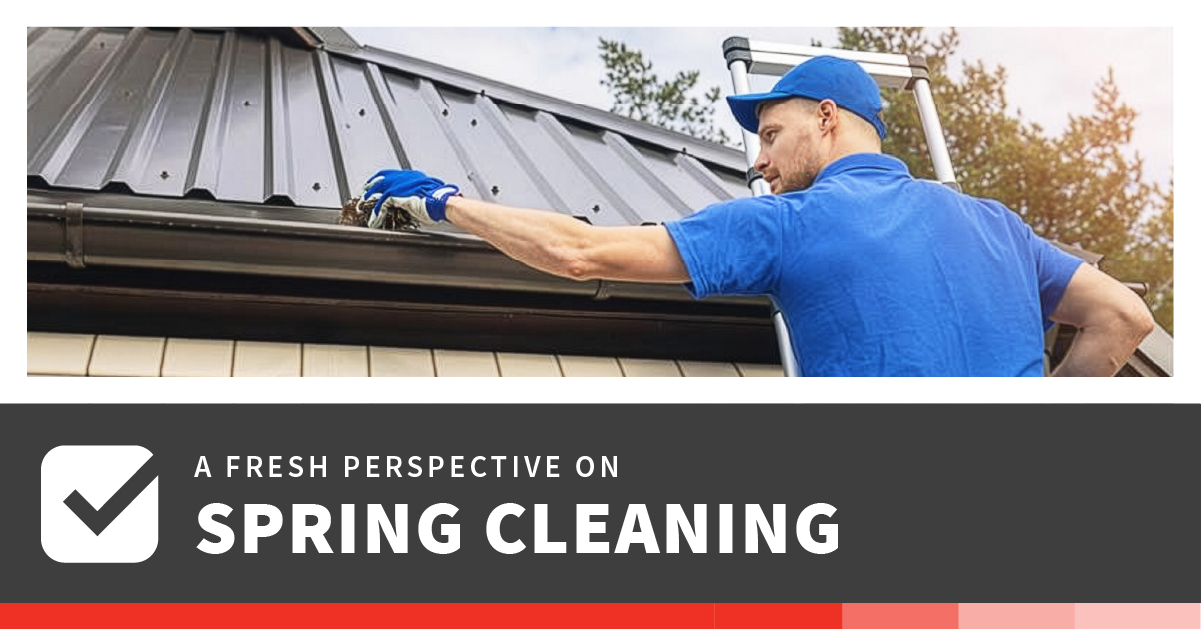
  • Gutters and downspouts for any debris buildup that could cause water to back up under eave conditions 
  • Any coating damage or bare metal exposure that could accelerate corrosion heading into a wet season 

The Product Is Only Part of the Story 

Metal panel systems are among the most durable roofing and wall options available, and they hold up well against wind and hail when they are properly specified and correctly installed. But durable is not the same as bulletproof. Gauge selection, coating choice, fastening method and installation quality all determine how a system performs when spring gets serious. 

If you are planning projects in wind or hail-prone markets this season, your MBCI rep can help you work through panel selection, gauge options and product availability for your specific conditions. The goal is to put a system on the job that you will not have to think about come storm season. 


Ready to spec your next project?  Contact your MBCI rep, shop online, or request a quote at mbci.com. 

Spring Cleaning Simplified: Professional Strategies to Help Homeowners Refresh Their Homes This Season

As winter begins to fade and longer, sunnier days roll in, spring becomes the perfect time for homeowners to revitalize not just their indoor spaces but the entire exterior of their home as well. This comprehensive guide equips you with practical exterior home maintenance insights and talking points you can share with customers as they prepare their homes for the warmer months ahead.


Start from the Top: Roof and Gutter Refresh

Homeowners may not realize how much winter conditions affect their metal roof and gutter systems. A quick evaluation helps them avoid issues like leaks, moisture problems, and long-term structural damage.

Encourage customers to look out for:

  • Loose or missing shingles or panels
  • Clogged gutters
  • Standing water
  • Visible wear from winter storms


If your customers’ homes use traditional asphalt shingles, MBCI metal roofing systems offer benefits such as long-term durability, weather resistance, and reduced maintenance, all of which are valuable considerations if your inspection reveals signs of damage. Panels like our BattenLok® HS option , known for its tall rib height that helps channel high volumes of melting snow and rain to the gutter system, are a durable alternative for homeowners looking to upgrade.


Check Those Overhanging Tree Limbs

Spring marks the season when trees begin to sprout again, making it the ideal moment to evaluate trimming needs. Encourage customers to trim any overhanging branches that could cause damage or scrape the roof surface. If your assessment reveals significant roofing damage, we recommend using the LokSeam® panel for its ability to be installed over open framing or a solid substructure. This panel is also ideal for transitioning from roof to fascia with the use of a rib cover, all while delivering an excellent blend of function and form.

Let’s also not forget that while spring signifies growth and rejuvenation, it can also bring unwelcome visitors such as moss and mold. These can:

  • Reduce energy efficiency
  • Eat away at organic roofing materials
  • Create moisture problems throughout the home’s shell.

If damage due to moss or mold is found, homeowners replacing exterior materials may consider long-lasting options like The Designer™ Series panel, which provides the toughness of metal while creating an attractive, flexible and functional wall or fascia panel.

Our experienced team can guide you on how to walk through an exterior spring cleaning process with your customers and offer suggestions that meet your needs.

Contact Us


Consider the Environment: Clean Smarter, Live Greener

For contractors prioritizing eco-friendliness in their projects, MBCI offers numerous environmentally conscious solutions. Our MasterRib® panel stands out in the market, offering superior durability thanks to its high-quality metal composition and optional DripStop™ technology. This panel is widely used for its versatility, making it an ideal fit for agricultural, light commercial, and residential buildings.

For homeowners focused on seasonal efficiency, indoor as well as outdoor, you might suggest:

  • Using biodegradable cleaning agents
  • Airing out indoor spaces
  • Replacing old filters in HVAC systems
  • Reducing allergens through dusting, vent cleaning, and fabric washing.

For more information on sustainable building practices, don’t miss our blog post on the environmental advantages of metal roofs!


Give Your Exterior a Quick Refresh

A simple exterior rinse with a garden hose at normal pressure can dramatically improve your home’s curb appeal. Follow this up with:

  • Touch-up paint
  • Window cleaning (inside and outside)
  • Sprucing up outdoor lighting
  • Removing fallen leaves or debris

Done with repainting or dealing with fading surfaces? MBCI’s metal panels offer a wide variety of colors to suit many design aesthetics for a long-term, low-maintenance solution. Want inspiration? Try using our online home-exterior visualizer.


Addressing Small Issues Before They Become Big Repairs

Routine seasonal maintenance is one of the most cost-effective ways to protect a home or building. For larger siding or wall area coverage, MBCI’s is a strong contender for those who need help keeping air and water out under varying environmental pressures.

Ready to elevate your building or home this spring?

Download The Spring Cleaning Quick-Start Checklist


Spring Cleaning Q&A:

  1. What is the first step in my exterior cleaning process?
    Begin by inspecting roofs for loose panels, missing sealants, obstructed gutters, or any damage from the winter season.
  1. How do I know if moss, mildew, or fungus is a problem?
    Check both the roof and siding for visible growth. If damage is significant, contact a professional to assist you with removal, and consider one of our suggested metal panels for a low-maintenance solution.
  1. Should I wash my roof and walls during spring-cleaning?
    Absolutely! Rinsing or wiping down your roof and wall panels provides a fresh start by removing dirt, pollen, and seasonal build-up. Follow up with proper touch-up paint for an instant upgrade.
  1. What should I do about leaves and debris around my home?
    Clear away any fallen foliage and debris around the exterior of your home to prevent moisture buildup, pests, and blocked drainage pathways.
  1. When should I consider replacing materials?
    If your inspection reveals damage, wear, or inefficiency, it may be time to replace outdated materials. If anything needs replacing or upgrading, contact our experts for assistance with the perfect product selection.
Find a sales representative