
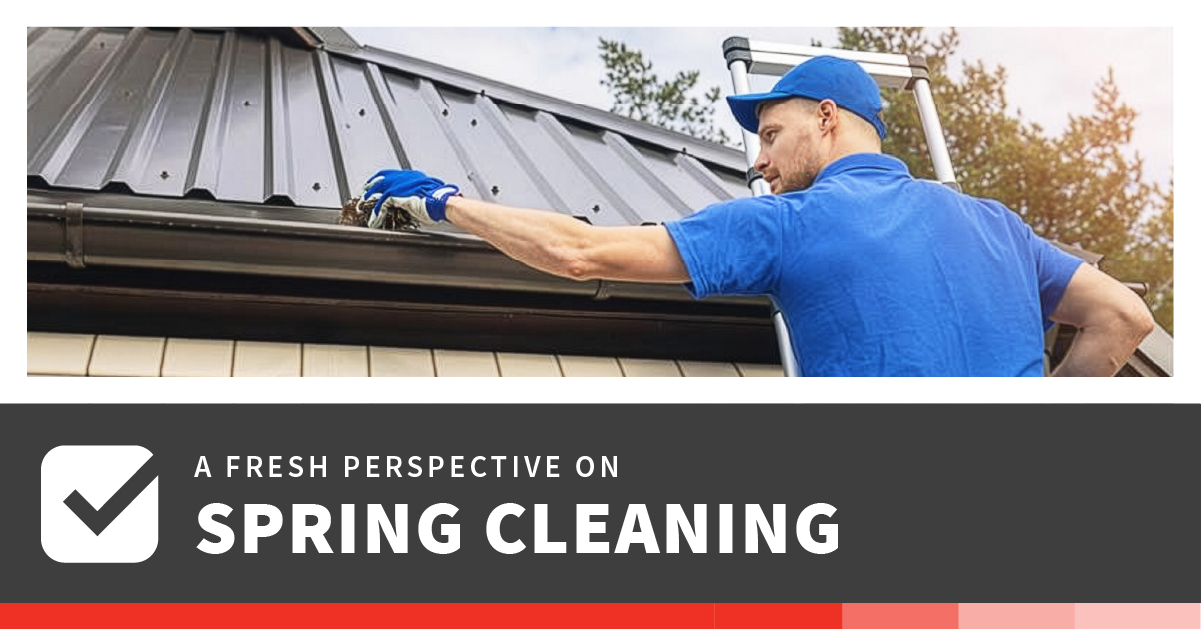
As winter begins to fade and longer, sunnier days roll in, spring becomes the perfect time for homeowners to revitalize not just their indoor spaces but the entire exterior of their home as well. This comprehensive guide equips you with practical exterior home maintenance insights and talking points you can share with customers as they prepare their homes for the warmer months ahead.
Start from the Top: Roof and Gutter Refresh
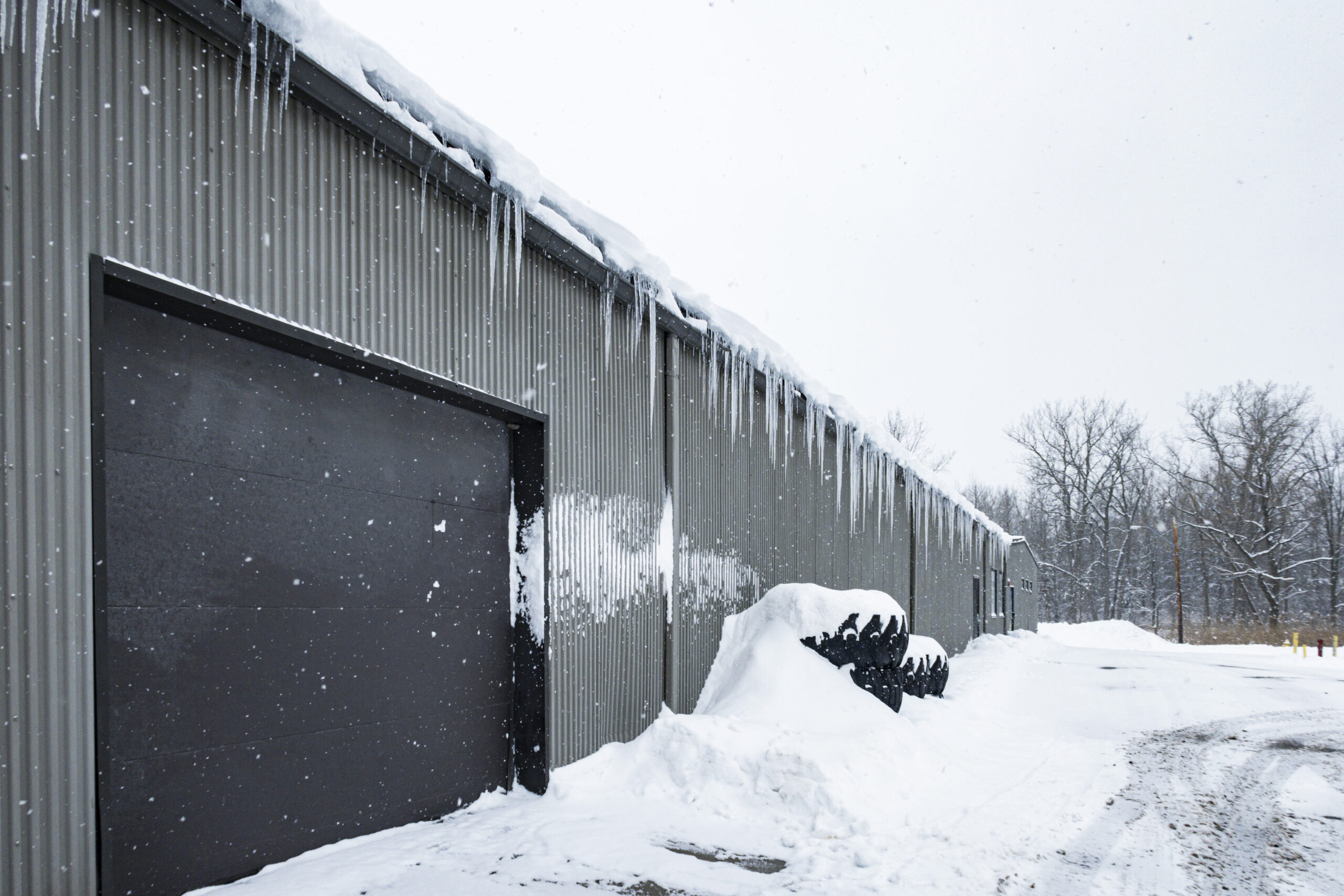
Homeowners may not realize how much winter conditions affect their metal roof and gutter systems. A quick evaluation helps them avoid issues like leaks, moisture problems, and long-term structural damage.
Encourage customers to look out for:
- Loose or missing shingles or panels
- Clogged gutters
- Standing water
- Visible wear from winter storms
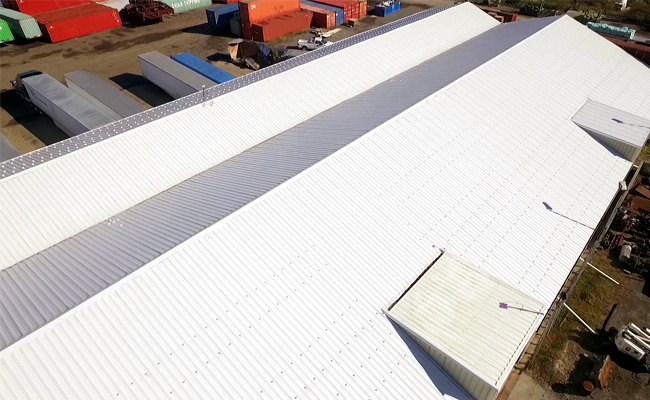
If your customers’ homes use traditional asphalt shingles, MBCI metal roofing systems offer benefits such as long-term durability, weather resistance, and reduced maintenance, all of which are valuable considerations if your inspection reveals signs of damage. Panels like our BattenLok® HS option , known for its tall rib height that helps channel high volumes of melting snow and rain to the gutter system, are a durable alternative for homeowners looking to upgrade.
Check Those Overhanging Tree Limbs
Spring marks the season when trees begin to sprout again, making it the ideal moment to evaluate trimming needs. Encourage customers to trim any overhanging branches that could cause damage or scrape the roof surface. If your assessment reveals significant roofing damage, we recommend using the LokSeam® panel for its ability to be installed over open framing or a solid substructure. This panel is also ideal for transitioning from roof to fascia with the use of a rib cover, all while delivering an excellent blend of function and form.
Let’s also not forget that while spring signifies growth and rejuvenation, it can also bring unwelcome visitors such as moss and mold. These can:
- Reduce energy efficiency
- Eat away at organic roofing materials
- Create moisture problems throughout the home’s shell.
If damage due to moss or mold is found, homeowners replacing exterior materials may consider long-lasting options like The Designer™ Series panel, which provides the toughness of metal while creating an attractive, flexible and functional wall or fascia panel.
Our experienced team can guide you on how to walk through an exterior spring cleaning process with your customers and offer suggestions that meet your needs.
Consider the Environment: Clean Smarter, Live Greener
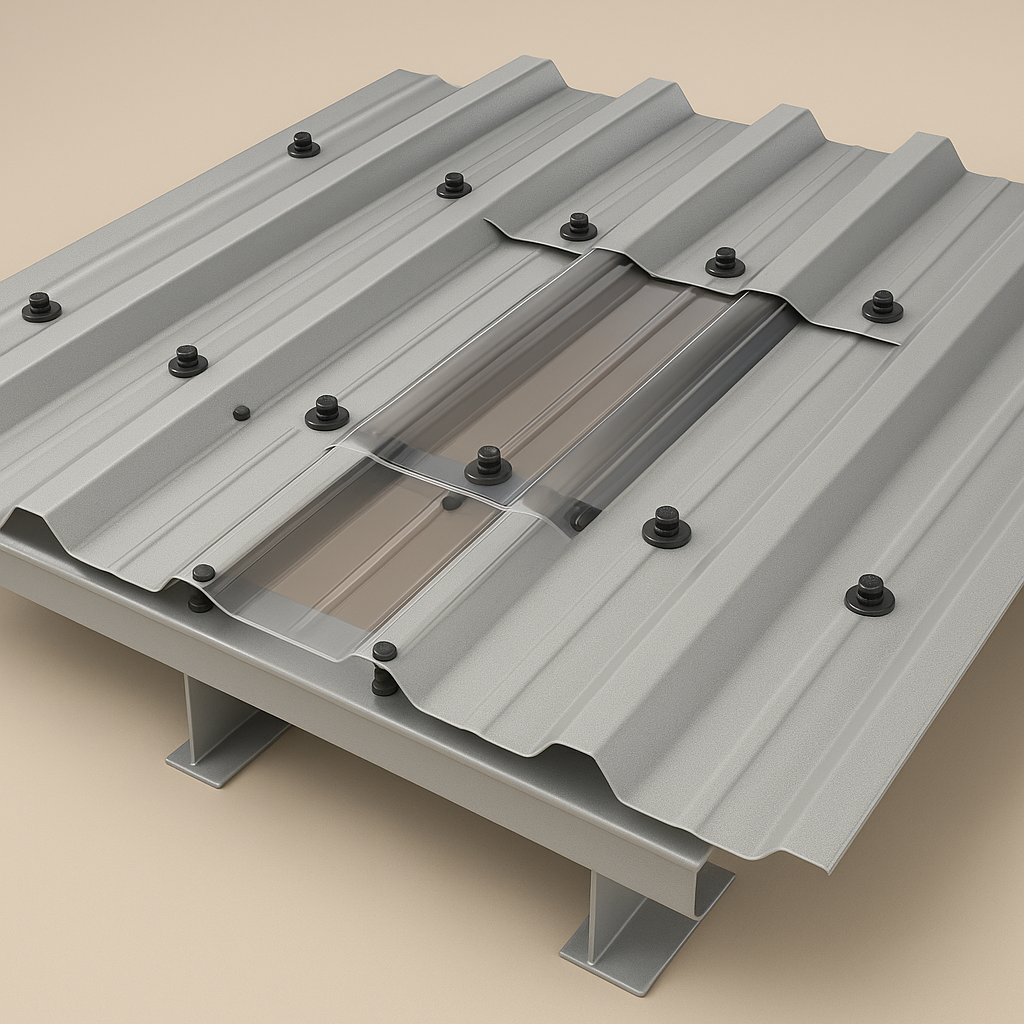
For contractors prioritizing eco-friendliness in their projects, MBCI offers numerous environmentally conscious solutions. Our MasterRib® panel stands out in the market, offering superior durability thanks to its high-quality metal composition and optional DripStop™ technology. This panel is widely used for its versatility, making it an ideal fit for agricultural, light commercial, and residential buildings.
For homeowners focused on seasonal efficiency, indoor as well as outdoor, you might suggest:
- Using biodegradable cleaning agents
- Airing out indoor spaces
- Replacing old filters in HVAC systems
- Reducing allergens through dusting, vent cleaning, and fabric washing.
For more information on sustainable building practices, don’t miss our blog post on the environmental advantages of metal roofs!
Give Your Exterior a Quick Refresh
A simple exterior rinse with a garden hose at normal pressure can dramatically improve your home’s curb appeal. Follow this up with:
- Touch-up paint
- Window cleaning (inside and outside)
- Sprucing up outdoor lighting
- Removing fallen leaves or debris
Done with repainting or dealing with fading surfaces? MBCI’s metal panels offer a wide variety of colors to suit many design aesthetics for a long-term, low-maintenance solution. Want inspiration? Try using our online home-exterior visualizer.
Addressing Small Issues Before They Become Big Repairs
Routine seasonal maintenance is one of the most cost-effective ways to protect a home or building. For larger siding or wall area coverage, MBCI’s is a strong contender for those who need help keeping air and water out under varying environmental pressures.
Ready to elevate your building or home this spring?
Spring Cleaning Q&A:
- What is the first step in my exterior cleaning process?
Begin by inspecting roofs for loose panels, missing sealants, obstructed gutters, or any damage from the winter season.
- How do I know if moss, mildew, or fungus is a problem?
Check both the roof and siding for visible growth. If damage is significant, contact a professional to assist you with removal, and consider one of our suggested metal panels for a low-maintenance solution.
- Should I wash my roof and walls during spring-cleaning?
Absolutely! Rinsing or wiping down your roof and wall panels provides a fresh start by removing dirt, pollen, and seasonal build-up. Follow up with proper touch-up paint for an instant upgrade.
- What should I do about leaves and debris around my home?
Clear away any fallen foliage and debris around the exterior of your home to prevent moisture buildup, pests, and blocked drainage pathways.
- When should I consider replacing materials?
If your inspection reveals damage, wear, or inefficiency, it may be time to replace outdated materials. If anything needs replacing or upgrading, contact our experts for assistance with the perfect product selection.